

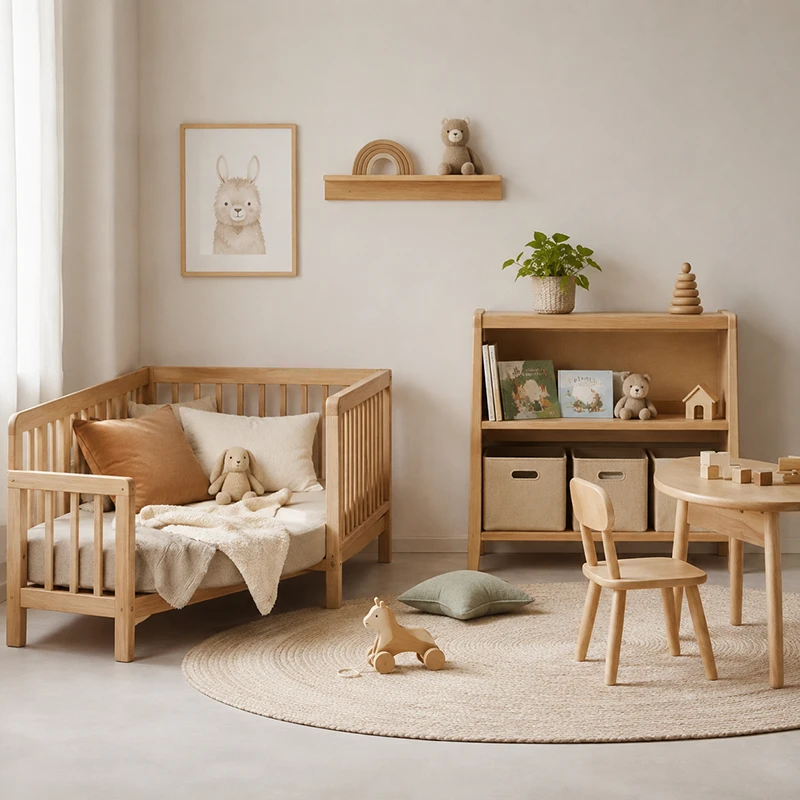
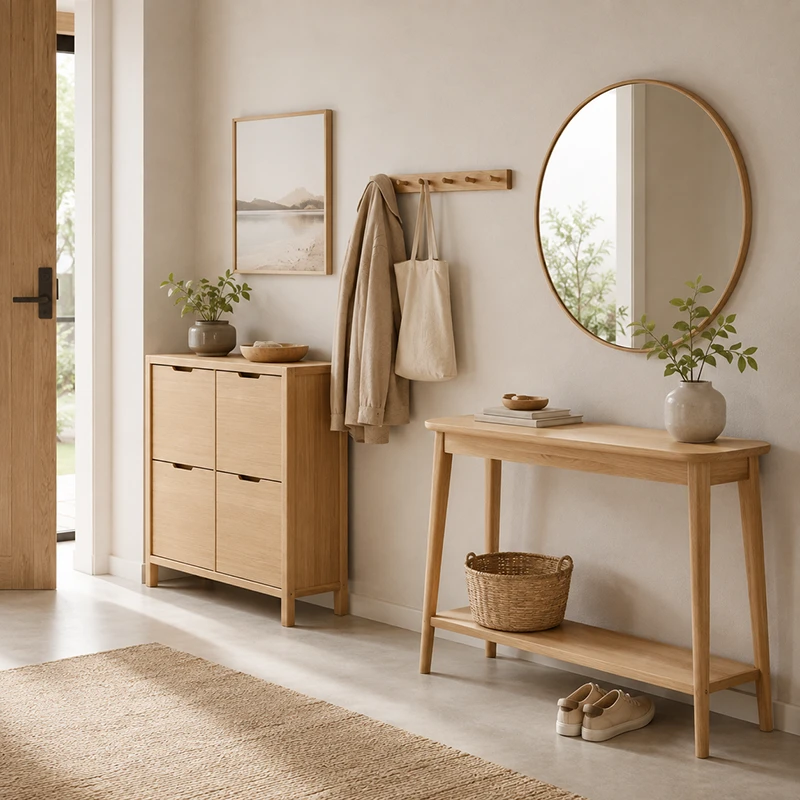
In an era dominated by mass-produced, flat-pack “fast furniture,” the modern homeowner is increasingly seeking authenticity, longevity, and sustainability. While engineered panels like MDF and particleboard have their place in temporary setups, nothing quite captures the essence of a true home like solid wood. For centuries, solid timber has been the gold standard in furniture making, and despite the advent of countless synthetic materials, its reign remains unchallenged.
Choosing to furnish your living spaces with solid wood is more than just an interior design decision; it is an investment in your daily environment, your family’s health, and your financial future. From the dining room table where holiday meals are shared to the bed frame that anchors your sanctuary, solid wood brings an unparalleled warmth and grounding presence.
If you are debating whether to upgrade your home with natural timber, here is an in-depth look at the distinct advantages of solid wood furniture and why it remains the ultimate choice for discerning homeowners.
1. Unmatched Durability and Generational Longevity
The most defining characteristic of solid wood furniture is its sheer physical resilience. Unlike engineered woods, which are composed of wood fibers, chips, and adhesives pressed together, solid wood is milled directly from the trunk of a tree. This natural structural integrity gives it an immense load-bearing capacity and resistance to daily wear and tear.
A solid oak dining table or a hardwood bookshelf will not sag, warp, or buckle under heavy weight over time—a common fate for particleboard shelves. When crafted with traditional joinery techniques such as mortise and tenon or dovetail joints, a solid wood piece becomes a structurally unified object capable of withstanding decades, if not centuries, of use.
This longevity transforms solid wood furniture from a mere household item into a family heirloom. It is not uncommon for a well-crafted cherry or walnut dresser to be passed down through generations, carrying the history and memories of the family with it. In a throwaway culture, solid wood stands as a testament to permanence.
2. Timeless Aesthetic Appeal and Unique Character
There is a profound, intrinsic beauty in natural wood that cannot be replicated by synthetic veneers or printed melamine laminates. Because wood is an organic material, no two pieces of solid wood furniture are ever exactly alike. Even two chairs cut from the exact same tree will feature slight variations in their grain patterns, color gradients, and natural markings.
This uniqueness ensures that your furniture is truly one-of-a-kind. Whether it is the striking, sweeping “cathedral” grain of plain-sawn Red Oak, the dense and shimmering medullary rays of quarter-sawn White Oak, or the stark, luxurious contrast between the dark heartwood and light sapwood of American Black Walnut, solid wood brings a piece of the natural world indoors.
Furthermore, solid wood ages gracefully. While synthetic surfaces degrade, peel, or fade, many premium hardwoods develop a rich “patina” over time. American Cherry, for instance, starts as a light pinkish-brown and deepens into a radiant, rich red as it is exposed to natural light over the years. This evolving beauty ensures that your furniture never goes out of style, seamlessly adapting to interior design trends ranging from rustic farmhouse to sleek mid-century modern and minimalist Japandi.
3. Superior Indoor Air Quality and Family Health
When outfitting a home, especially one with young children or pets, the health implications of your furnishings should be a top priority. The hidden danger of much of today’s budget furniture lies in the adhesives. Engineered woods like MDF and plywood rely heavily on synthetic glues and resins to bind the wood particles together. Many of these adhesives contain formaldehyde and other Volatile Organic Compounds (VOCs).
Over time, these chemicals can “off-gas” into your home’s enclosed environment, potentially contributing to indoor air pollution, respiratory irritation, and allergic reactions.
Solid wood, in its natural state, contains no synthetic adhesives in its core structure. When finished with eco-friendly, low-VOC, or water-based stains and lacquers, solid wood furniture provides a vastly safer and healthier indoor environment. By choosing solid timber, you are actively minimizing the chemical footprint of your home, ensuring the air your family breathes is cleaner and safer.
4. Ease of Maintenance, Repair, and Restoration
One of the most frustrating aspects of veneered or laminate furniture is that once it is damaged, it is often ruined forever. If water seeps into the edge of a particleboard table, it swells irreversibly. If a synthetic veneer is deeply scratched, it exposes the ugly, fibrous core beneath, and repairs are nearly impossible.
Solid wood behaves entirely differently. Because the material is consistent all the way through, it is incredibly forgiving. Minor dents, dings, and scratches often blend into the wood’s natural character, adding to its rustic charm. However, if a piece sustains severe damage, or if you simply want to refresh its look after a decade of use, solid wood can be easily restored.
A solid wood tabletop can be sanded down to reveal a brand-new, unblemished layer of fresh wood. It can then be re-stained, oiled, or lacquered to look exactly as it did the day it was bought—or stained a completely different color to match a new interior design scheme. This capacity for restoration makes solid wood furniture incredibly practical for busy households prone to accidents and spills.
5. Psychological Well-being and Biophilic Design
The benefits of solid wood extend beyond the physical; they are also deeply psychological. In the fields of architecture and interior design, there is a growing emphasis on “Biophilic Design”—the concept that human beings possess an innate tendency to seek connections with nature and other forms of life.
Incorporating natural, organic materials like solid wood into our living spaces has been scientifically shown to reduce stress, lower blood pressure, and improve overall mood. The tactile sensation of running your hand across a smoothly sanded oak table, the visual warmth of natural grain patterns, and the subtle, earthy scent of timber all work together to create a calming, grounding atmosphere. In our increasingly digitized, screen-heavy, and concrete-laden lives, solid wood furniture serves as a vital, comforting anchor to the natural world.
6. Environmental Sustainability and Eco-Friendliness
It is a common misconception that cutting down trees for furniture is inherently bad for the environment. When sourced responsibly, solid wood is actually one of the most sustainable and eco-friendly building materials available.
Unlike plastics, metals, and synthetic resins—which require massive amounts of fossil fuels to manufacture and leave a heavy carbon footprint—wood is a naturally renewable resource. Responsible forestry practices, certified by organizations like the FSC (Forest Stewardship Council), ensure that trees are harvested selectively and replanted continuously, maintaining the ecological balance of the forests.
Furthermore, trees absorb carbon dioxide as they grow. When a tree is harvested and turned into a solid wood bed frame or dining table, that carbon remains “locked” inside the furniture for its entire lifespan. By investing in solid wood that lasts for decades, you are keeping furniture out of landfills. Conversely, cheap fast-furniture breaks easily and is incredibly difficult to recycle due to its mixture of glues and plastics, leading to massive amounts of landfill waste every year.
7. Long-Term Financial Value and Return on Investment
While it is true that solid wood furniture commands a higher upfront purchase price than its engineered counterparts, it is crucial to evaluate furniture through the lens of “cost per use” and long-term value.
Consider a budget dining table made of particleboard. It may cost a fraction of the price initially, but within three to five years, the veneer may chip, the joints may loosen, and the surface may warp from moisture. It will inevitably need to be thrown away and replaced. Over twenty years, you might buy four or five of these tables.
A solid wood dining table, while an initial investment, will easily outlast that twenty-year span and can be passed down to the next generation. In the long run, the solid wood piece is significantly cheaper.
Additionally, solid wood furniture holds its financial value. A well-maintained piece of solid cherry or walnut furniture can be resold in the vintage or secondhand market for a substantial portion of its original price, and in some cases of exceptional craftsmanship, it may even appreciate as an antique. Fast furniture, on the other hand, holds a resale value of virtually zero the moment it is assembled.
Conclusion: Crafting a Home with Purpose
Furnishing a home is a deeply personal journey. The pieces you choose will bear witness to your life’s quietest moments and its loudest celebrations. Choosing solid wood furniture means choosing authenticity, unparalleled durability, and a healthier environment for your loved ones. It is a rejection of the disposable culture in favor of permanence, beauty, and sustainable living.
At Manna Harmony Home, we believe that furniture should do more than just fill a room—it should elevate your daily life. By prioritizing safety, sophisticated design, and sustainability, we craft solid wood furniture that honors the natural beauty of the materials while catering to the demands of modern families. When you invest in premium solid wood, you are not just buying a piece of furniture; you are creating a harmonious, enduring legacy for your home.
