

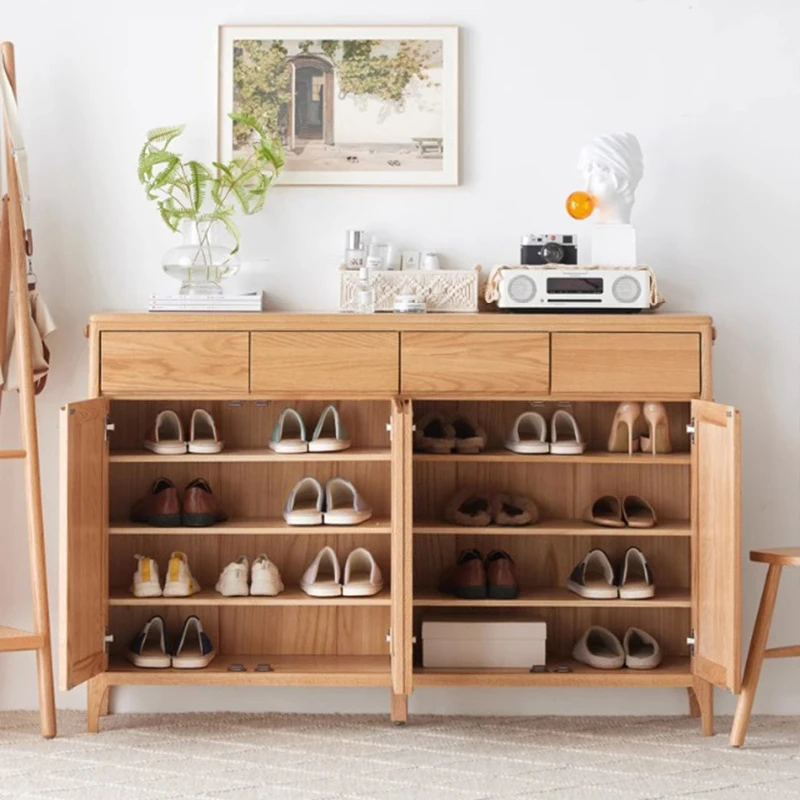
OEM vs. ODM: What’s the Difference
In simple terms, OEM (Original Equipment Manufacturing) means you bring the design and the factory manufactures it to your specification. ODM (Original Design Manufacturing) means the factory offers its own designs, which you can select, customize and put your brand on. Most importers work in both modes: ODM to launch a private-label catalog quickly, and OEM once they have a proven best seller they want to differentiate or improve.
Step 1: Design Brief and Feasibility
Every project starts with a brief. Send the factory your target product, price point, materials, dimensions, finish colors and compliance requirements. If you only have a photo or a sketch, that is often enough to start. A good factory will reply with a feasibility review – pointing out what works, what costs more than expected, and smarter alternatives they have learned from similar projects.
Step 2: Quotation and Sampling
Based on the brief, the factory provides a quotation covering materials, hardware, finish, packaging and tooling or mold costs where relevant. Negotiate the commercial terms, then move to sampling. Depending on complexity, samples can be a stock sample of a similar product, a modified sample, or a full prototype with new tooling. Confirm who pays for sample production and shipping, and how many revision rounds are included.
Step 3: Prototype Review
Review the sample carefully against your brief: dimensions, comfort, finish color under real light, hardware quality, and how it assembles. Photograph and video the points you want changed and send precise feedback. The goal is a sample you could sell today – because production copies the approved sample, not your original email.
Step 4: Pre-Production
Before the bulk run starts, agree on the bill of materials, the finish standard and the quality checklist. For larger orders, ask for a pre-production sample or first-article inspection of the very first units off the line. This is the moment to confirm that timber, hardware and finish match the approved sample.
Step 5: Production and Quality Checkpoints
During production, quality control should happen at defined stages – incoming materials, machining, sanding, finishing and final assembly – not only at the end. Depending on the order size, you can arrange third-party inspection or ask the factory for photos and videos at each checkpoint. Clarify the defect tolerance and how defective units are handled before you pay the balance.
Step 6: Packaging and Container Loading
Export packing is part of product quality. Confirm carton specifications, edge protection, and how units are palletized and loaded into the container. Ask for loading supervision photos or a loading report so you know the container was stuffed correctly and efficiently.
Step 7: Shipment and After-Sales
Once the container sails, good partners stay involved: they provide shipping documents, answer your customs questions, and support you if any units arrive damaged or defective. A clear after-sales policy – replacement parts, repair guidance and defect claims – protects your margin and your customer relationships long after the order is delivered.
An OEM/ODM project is a partnership that improves with each order. When communication is structured, samples are taken seriously and quality checkpoints are respected on both sides, your first container becomes the foundation of a product line you can grow season after season.
